


Why the 2027 Subaru Forester Wilderness Hybrid Could Be the Ultimate Adventure SUV
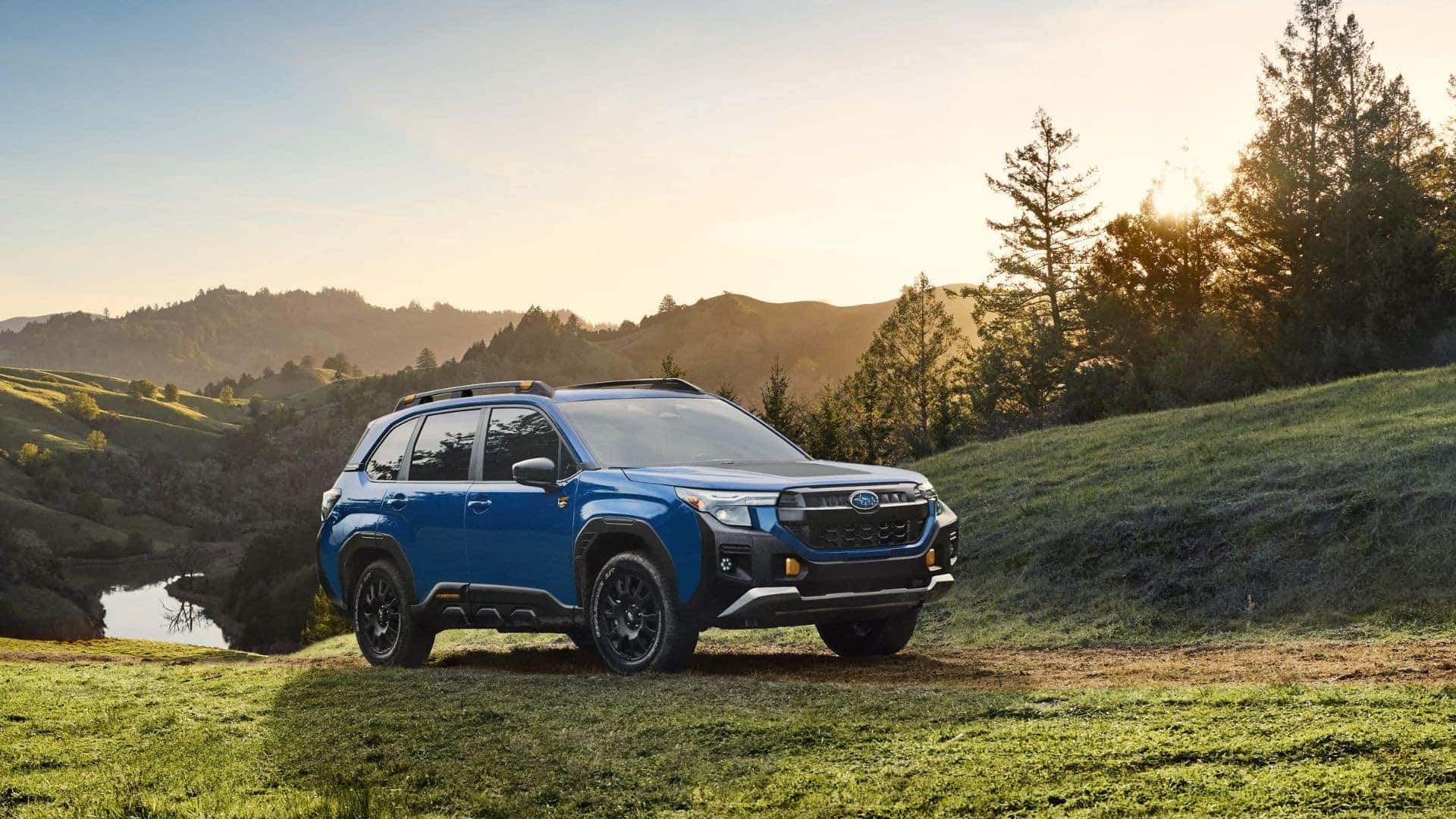
The 2027 Subaru Forester Wilderness Hybrid combines trail-focused equipment with a hybrid powertrain, giving drivers a new option for commuting and weekend exploring. Here at Hello Subaru of Temecula, part of our parent company, Hello Auto Group, we see this Subaru as an interesting choice for drivers who want both capabilities in one vehicle. For Temecula shoppers, the real question is whether its extra trail hardware and improved efficiency match the roads they actually drive.
Key Takeaways
- The Wilderness Hybrid pairs 9.3 inches of ground clearance with all-terrain tires and a hybrid powertrain.
- Its estimated 30 mpg city offers a meaningful improvement over the gas-only Wilderness.
- The cabin provides 27.5 cubic feet of cargo room behind the rear seats.
- Comparing your regular routes and trail needs helps determine which Forester fits best.
Hybrid Power and Wilderness Capability in One SUV
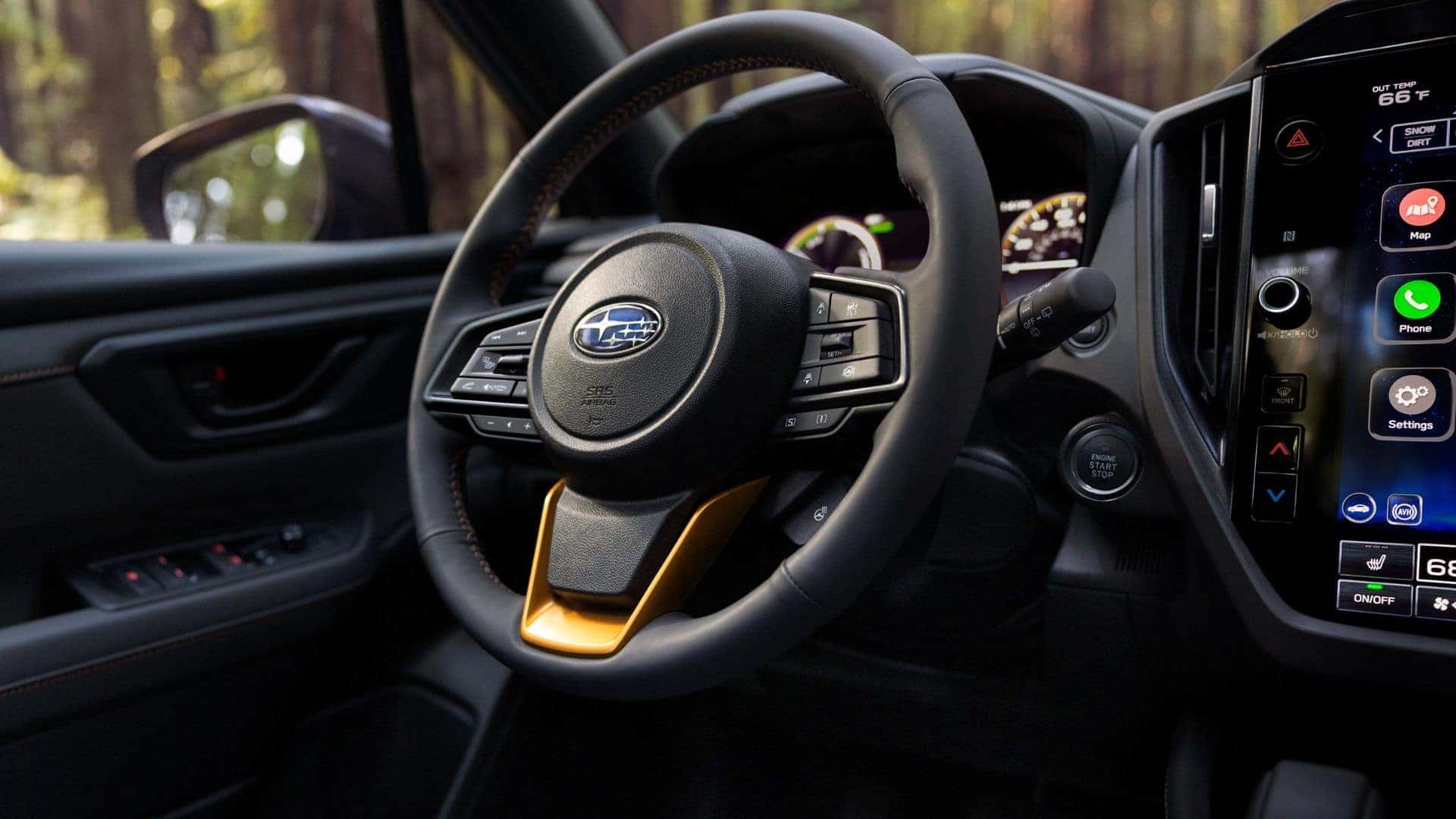
With 194 total system horsepower, the Wilderness Hybrid produces more power than the gas-only Forester Wilderness, which makes 180 horsepower. Its Subaru Hybrid system, a powertrain that combines a gasoline engine with electric motors and a lithium-ion battery, brings improved efficiency to the Wilderness lineup.
Subaru Symmetrical All-Wheel Drive, the system that distributes power to all four wheels, remains standard. Importantly, the hybrid retains a mechanical connection between the front and rear axles rather than relying solely on a separate electric motor to drive the rear wheels.
That combination matters because choosing the hybrid does not mean giving up the Wilderness model’s basic trail equipment. It retains the raised suspension, all-terrain tires, and 9.3-inch ground clearance that distinguish it from the regular Forester Hybrid.
Would It Handle Your Usual Trails?
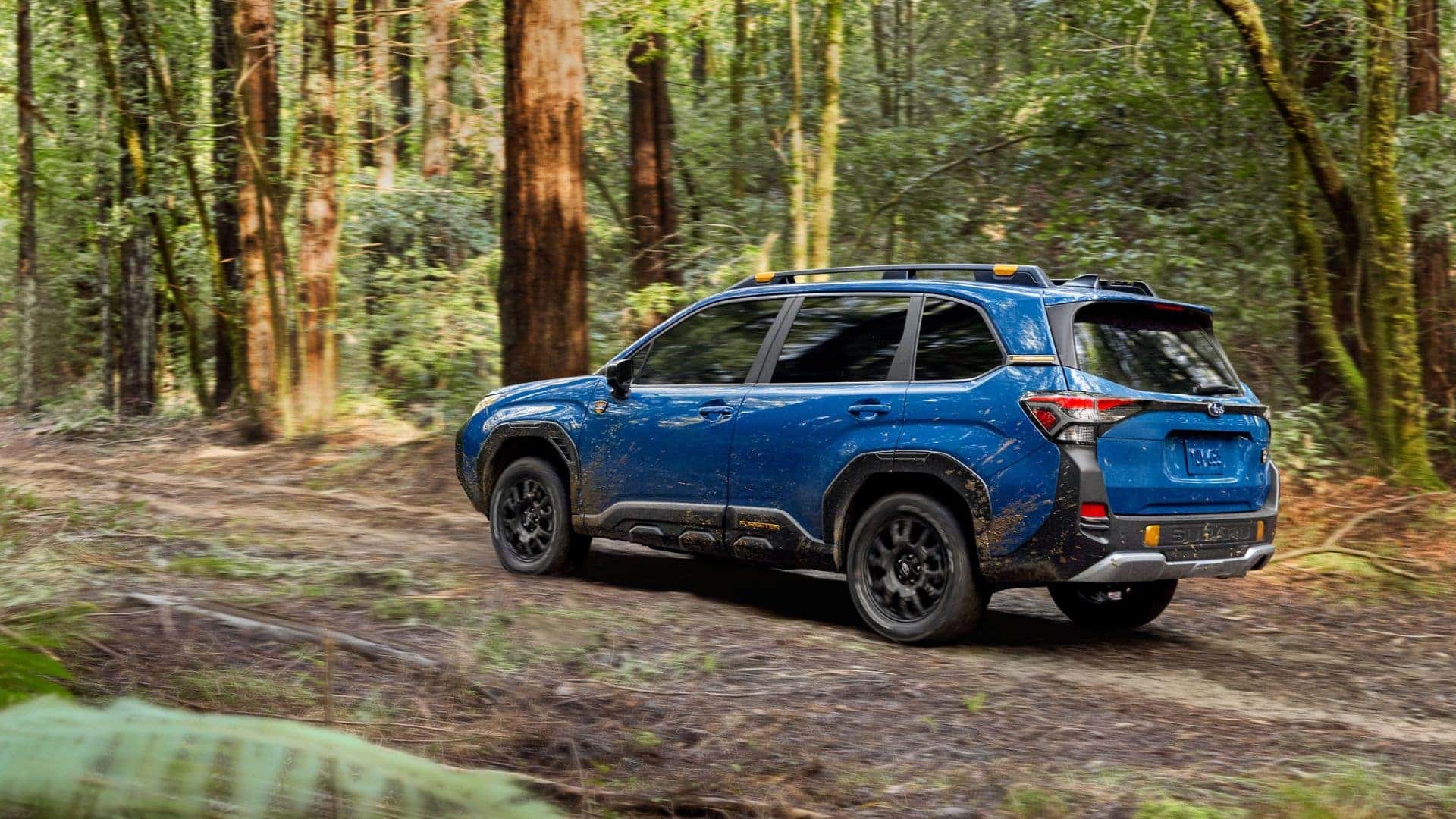
The Wilderness Hybrid is equipped for rougher access roads with its raised suspension, enhanced underbody protection, and Yokohama Geolandar all-terrain tires. Its 9.3 inches of ground clearance gives it more room over obstacles than the regular Forester Hybrid’s 8.7 inches.
X-MODE Dual-Mode System, Subaru’s traction-management system with Snow/Dirt and Deep Snow/Mud settings, adjusts vehicle operation for challenging surfaces. Hill Descent Control, a function that helps manage vehicle speed on downhill sections, adds assistance when descending uneven terrain.
The Wilderness Hybrid also improves approach, breakover, and departure angles compared with the regular Forester Hybrid. These measurements describe clearance around the front bumper, beneath the vehicle’s middle, and behind the rear wheels. They matter when entering a washout or crossing an abrupt rise.
When helping shoppers compare adventure vehicles, we recommend starting with the hardest section they regularly encounter, not the most dramatic trail they might someday attempt. A graded campground road and a deeply rutted route place very different demands on an SUV. Conditions, tire grip, and route selection still matter, regardless of the badge.
Fuel Economy for Temecula Commuting and Weekend Trip
The Wilderness Hybrid delivers an estimated 30 mpg city, up to a 25 percent improvement over the gas-only Wilderness. Subaru also estimates up to 481 miles per tank, although actual mileage and range vary with driving conditions and vehicle condition.
For someone commuting between Temecula and Murrieta, city fuel economy deserves attention alongside highway mileage. If your regular driving includes traffic signals and stop-and-go stretches, the city estimate is particularly relevant when comparing the two Wilderness versions.
One distinction we help shoppers make is between percentage improvement and actual fuel savings. Your savings depend on annual mileage, the proportion of city driving, and fuel costs. A driver covering substantial weekday mileage has more opportunity to benefit than someone using the vehicle mainly for occasional weekend trips.
The Wilderness Hybrid also should not be confused with the most efficiency-focused Forester option. Its trail equipment serves a different priority. Compare the exact trims and their fuel-economy labels rather than assuming every Forester Hybrid returns the same mileage.
Passenger Seating and Camping Gear
The Wilderness Hybrid provides 27.5 cubic feet of cargo space behind the rear seats and more than 69 cubic feet with the rear seats folded. Subaru reports that its hybrid components do not reduce cargo space.
That makes the seating arrangement important. A couple can fold the rear seats for a longer load area, while passengers occupying those seats leave the smaller rear compartment available for camping equipment.
A useful comparison we make during vehicle walkarounds is seats-up space versus maximum cargo space. The larger advertised number does not describe the room available when everyone is riding along. Rear-seat comfort, the cargo opening, and the shape of the load floor deserve attention together.
StarTex upholstery, Subaru’s durable, animal-free seating material, provides weather-resistant, easily cleanable surfaces. Standard all-weather mats and a cargo-area protector also suit trips involving dusty footwear or muddy gear.
Raised roof rails have an 800-pound static load capacity, meaning the rating applies while the vehicle is stationary. It is not an allowance for carrying that weight while driving. Confirm driving-load limits and accessory requirements before choosing rooftop equipment.
Comparing Other Forester Options
The Wilderness Hybrid makes the strongest case when you want both Wilderness trail equipment and improved city efficiency. The gas-only Forester Wilderness remains worth comparing if you want similar basic off-road hardware without choosing a hybrid.
A regular Forester Hybrid deserves consideration if your adventures mainly involve paved travel and maintained access roads. Its 8.7-inch ground clearance may meet your needs without making Wilderness equipment a priority.
We also recommend comparing how the vehicles feel on pavement. Seat comfort, visibility, road noise, and accelerator response become more important when the commute accounts for most of your mileage. A specification sheet cannot tell you which driving experience you prefer.
Browse Forester options through Hello Subaru of Temecula to narrow down which trims deserve a closer look.
Is It Worth Choosing for Commuting and Adventure Travel?
The Wilderness Hybrid is most compelling for drivers who will regularly use its trail capability and accumulate enough everyday mileage to value its improved efficiency. Fuel economy alone should not make the decision.
For a driver heading out from Lake Elsinore for camping weekends, clearance and tires may be meaningful benefits. For someone whose trips stay almost entirely on pavement, a regular Forester Hybrid may be the more suitable starting point.
We encourage shoppers to separate equipment they will use from equipment they simply like having. That keeps the comparison grounded in ownership rather than appearance. The best adventure SUV is the one that handles your normal week comfortably and supports the trips you actually take.
Visit Hello Subaru of Temecula to Compare Forester Models
Choosing between Forester models starts with matching the vehicle to your daily driving, passenger needs, and usual trails. Visit Hello Subaru of Temecula in Temecula, part of Hello Auto Group, to explore our current selection and schedule a test drive in an available Forester.
*Penned by AI, polished by humans
0 comment(s) so far on Why the 2027 Subaru Forester Wilderness Hybrid Could Be the Ultimate Adventure SUV