


Subaru Forester vs. Toyota Camry for Lake Elsinore Commuters
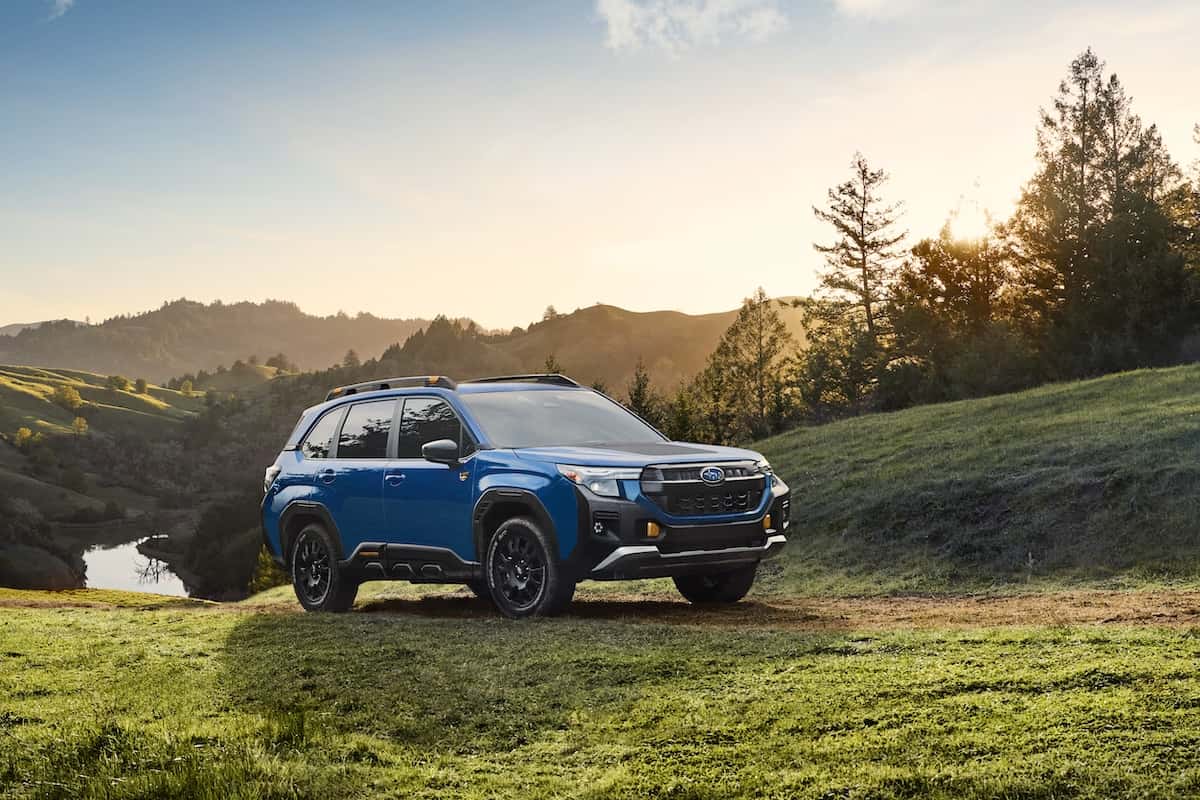
A commute from Lake Elsinore can ask a lot from a vehicle, whether your day involves highway miles, local traffic, school drop-offs, or a weekend change of plans. At Hello Subaru of Temecula, part of Hello Auto Group, we help Southern California drivers weigh practical choices every day, and Subaru gives commuters a compelling mix of confidence, versatility, and everyday comfort.
Key Takeaways
- The Toyota Camry is an efficient hybrid sedan choice for commuters who prioritize fuel economy and a traditional on-road driving feel.
- The Subaru Forester adds standard all-wheel drive, a taller seating position, and flexible cargo room for drivers whose schedules extend beyond the commute.
- Both vehicles seat up to five people, but the Forester provides substantially more space for groceries, gear, pets, and larger everyday items.
- The right Forester vs Camry comparison comes down to whether fuel-saving sedan simplicity or SUV flexibility better supports your routine.
- For many Lake Elsinore drivers, the Forester’s adaptable cabin and all-weather capability make it a stronger fit for changing daily demands.
What Matters on a Lake Elsinore Commute?
The Subaru Forester vs Toyota Camry decision should begin with how you actually use your vehicle, not simply whether you prefer an SUV or sedan. A Lake Elsinore commuter vehicle may spend much of the week on I-15, but daily life can also include navigating neighborhood streets, carrying work equipment, picking up groceries, meeting friends in Temecula, or loading up for a trip out of town.
The Toyota Camry commute experience centers on sedan efficiency. The current Camry lineup uses a hybrid powertrain, and it can be an appealing choice for drivers who want to reduce fuel stops while enjoying a composed, lower-to-the-road ride. Its conventional trunk works well for backpacks, smaller shopping trips, and luggage, while its five-passenger seating gives families and carpools usable room.
The Subaru Forester commute experience is built around broader flexibility. Standard Symmetrical All-Wheel Drive is a meaningful advantage for drivers who value additional traction capability, while the upright seating position can provide a clearer view of traffic. The Forester also gives you the kind of cabin access that makes everyday loading simpler, from bulky purchases to a stroller or sports gear.
How Do SUV and Sedan Body Styles Affect a Daily Commute?
SUV vs sedan for commuting is about more than ride height. A sedan such as the Toyota Camry typically has a lower profile and a separate enclosed trunk. That layout can feel familiar and efficient for drivers whose regular routine involves commuting alone or with one passenger and packing relatively light.
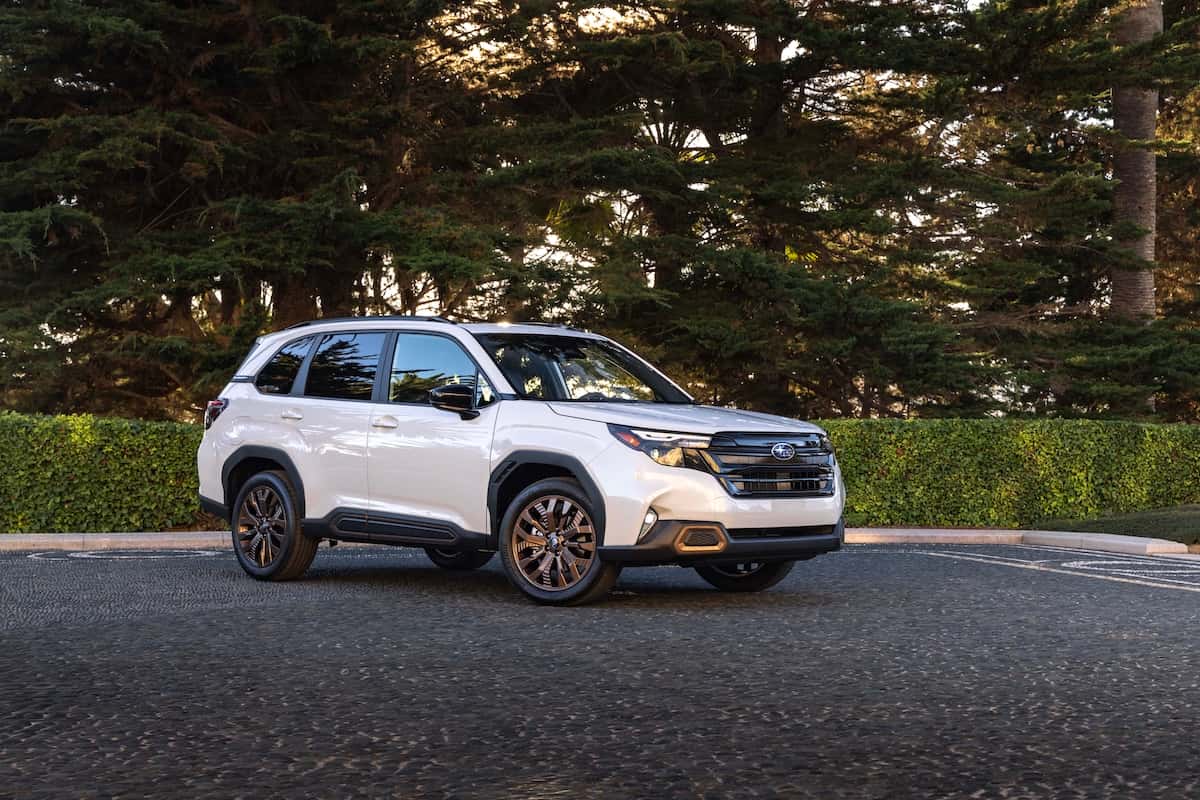
A compact SUV such as the Subaru Forester delivers a higher roofline, rear liftgate, and a more flexible cargo area. Rather than trying to fit a taller or longer item through a trunk opening, Forester owners can fold the rear seats and make room for larger gear. The Forester offers up to 74.4 cubic feet of cargo space with the rear seats folded, while still providing a comfortable cabin for up to five people.
That difference can matter after work. A Camry may be ideal for a straightforward drive home, but the Forester is prepared for the rest of the day. If you are driving from Lake Elsinore to Murrieta for errands, bringing home a warehouse-store purchase, or taking outdoor equipment along for the weekend, the Forester’s cargo flexibility is hard to overlook.
Which Vehicle Handles Comfort and Efficiency Better?
The Camry has a strong argument for commuters who put fuel economy near the top of their list. Its hybrid system is designed to make city and highway travel more efficient, which can be useful for drivers who regularly face stop-and-go traffic or put substantial mileage on their vehicle. It is also a midsize sedan, so it offers a more traditional passenger-car driving character.
The Forester prioritizes a different kind of commuting confidence. Its standard gasoline models earn EPA-estimated fuel economy of up to 26 mpg city and 33 mpg highway, depending on trim. The 2026 Forester Hybrid offers another path for shoppers who want SUV utility with stronger efficiency, including a manufacturer-estimated range of up to 581 miles. Actual mileage will vary with driving conditions, vehicle condition, traffic, and driving habits.
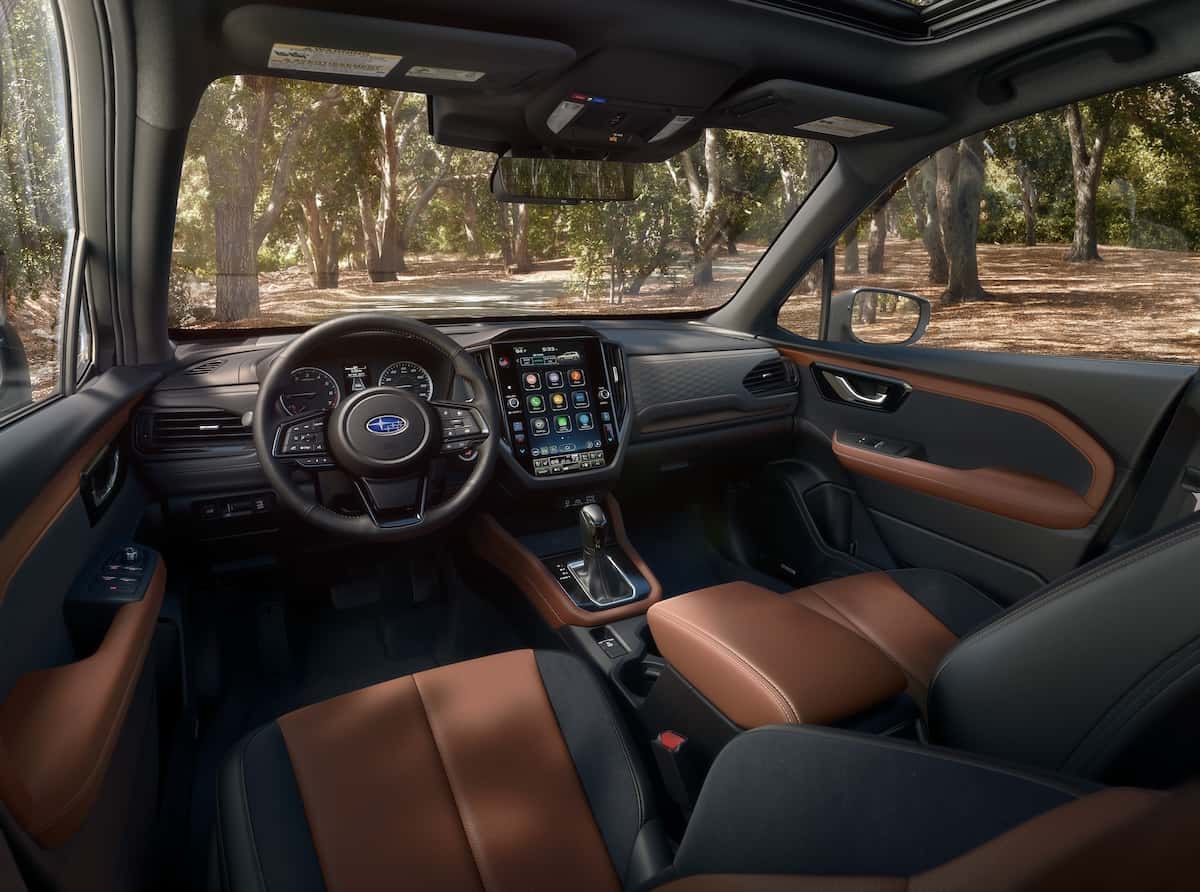
Comfort is personal, so a test drive matters. The Camry’s lower seating position may feel right for drivers who want a sedan-focused experience. The Forester’s elevated driving position, wide cabin, and available features can be especially appealing when your commute involves crowded interchanges, changing weather, or frequent passengers.
What Should Commuters Compare Between the Subaru Forester and Toyota Camry?
When comparing the Forester and Camry, focus on the priorities that affect your routine most:
- Fuel economy: The Camry’s hybrid-only lineup is the more fuel-focused choice, while the Forester Hybrid provides an efficiency-minded SUV alternative.
- Traction: The Forester includes standard Symmetrical All-Wheel Drive, while Camry configurations vary between front-wheel drive and available all-wheel drive.
- Cargo access: The Camry’s trunk suits lighter loads, while the Forester’s liftgate and folding rear seats support more varied cargo.
- Driving position: The Camry delivers a lower sedan seating position; the Forester offers a taller view of the road.
- Weekend versatility: The Forester is better positioned for drivers who blend commuting with camping gear, sports equipment, pets, or larger family errands.
For shoppers looking at new Subaru SUVs in Temecula, we recommend sitting in both vehicle types before making a final decision. A quick comparison of rear-seat space, cargo access, visibility, and driving feel can reveal which body style will remain comfortable long after the purchase day.
Which Choice Fits Flexible Southern California Drivers?
The Toyota Camry is a smart answer for drivers who want a hybrid sedan with a refined commute-focused mission. If your needs are centered on efficiency, paved-road travel, and conventional trunk storage, the Camry deserves consideration.
Still, the Subaru Forester has the advantage for commuters who need their vehicle to do more. It offers standard all-wheel drive, a practical SUV layout, useful ground clearance, and cargo versatility that supports a changing schedule. It also fits naturally alongside other current Subaru models, including the Crosstrek for a smaller SUV footprint, the Outback for expanded adventure capability, and the Ascent for families seeking three rows.
For a daily driver that can help with weekday traffic and still make room for real life, the Forester makes a persuasive case. That is especially true for drivers who want a vehicle that feels equally ready for an I-15 commute, a run across Temecula, or a spontaneous weekend beyond the city.
At Hello Subaru of Temecula, part of Hello Auto Group, we invite Lake Elsinore-area shoppers to browse our current selection of Forester models and other available Subaru vehicles in Temecula. Visit us to compare your options in person and schedule a Forester test drive with a team that knows local driving needs.
*Penned by AI, polished by humans
0 comment(s) so far on Subaru Forester vs. Toyota Camry for Lake Elsinore Commuters