


Subaru EyeSight® Driver Assist Technology Explained
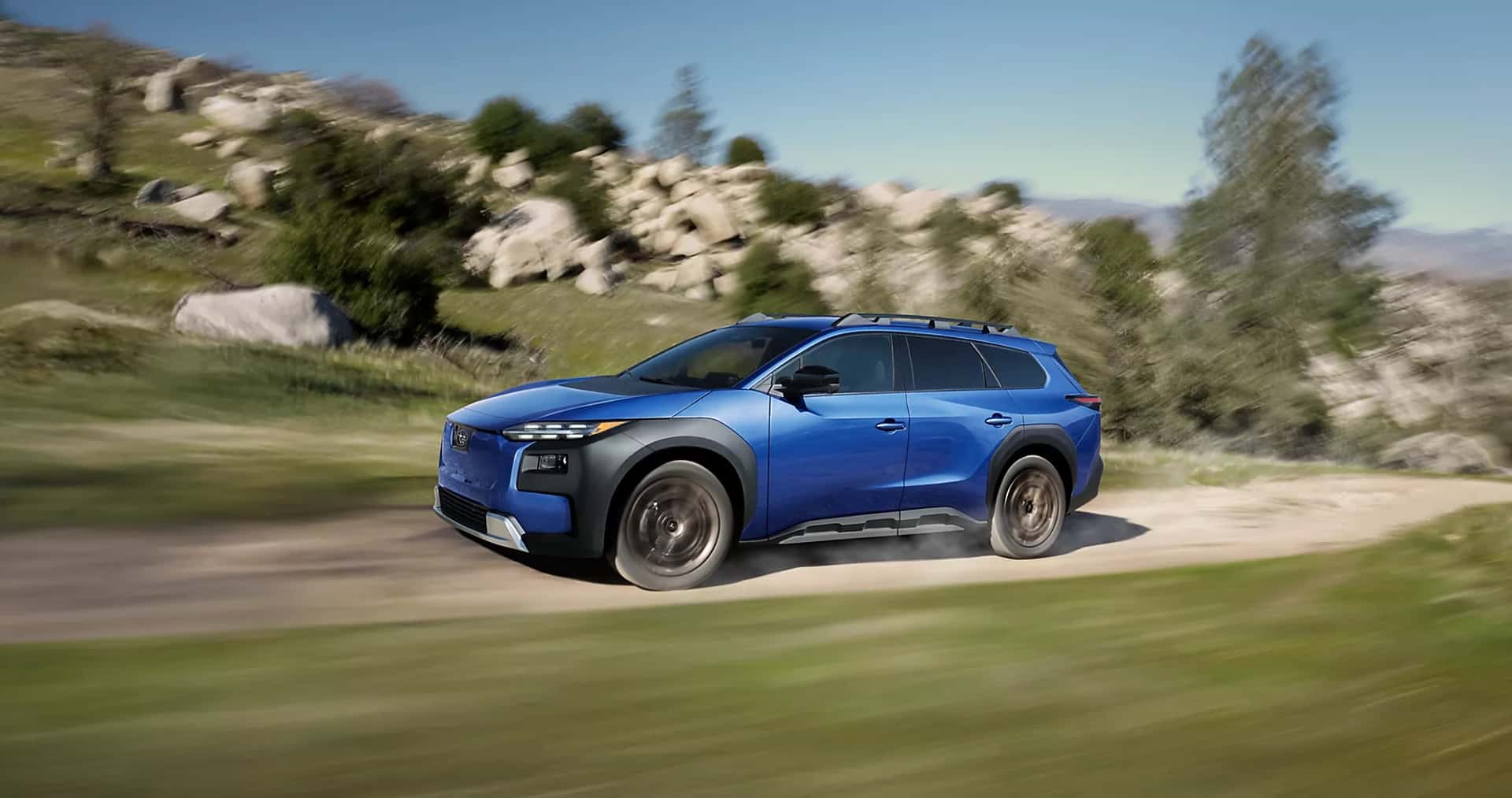
Family drives can bring a lot of moving parts, from the morning school run to weekend plans beyond Temecula. At Hello Subaru of Temecula, part of Hello Auto Group, we know Subaru drivers want confidence behind the wheel, which is why Subaru EyeSight Driver Assist Technology is such an important part of the ownership experience. This camera-based suite of Subaru driver assist systems is designed to help you monitor traffic, recognize potential hazards, and support safer decisions while you remain responsible for operating the vehicle.
Key Takeaways
- Subaru EyeSight Driver Assist Technology uses forward-facing cameras to watch the road ahead and help identify potential hazards.
- Available EyeSight features can provide warnings and support braking, steering, and speed control in certain situations.
- Subaru models such as the Forester, Outback, Crosstrek, Ascent, Impreza, and Legacy offer family-friendly technology designed for everyday driving.
- EyeSight is a driver-assistance system, not a substitute for an attentive, engaged driver.
- Families can explore current Subaru vehicles in Temecula and compare the safety technology that fits their routines.
What Is Subaru EyeSight Driver Assist Technology?
What is Subaru EyeSight Driver Assist Technology? In simple terms, it is a collection of driver assistance features that uses cameras mounted near the rearview mirror to monitor what is happening ahead of your Subaru. The EyeSight camera technology continually looks for vehicles, lane markings, pedestrians, cyclists, and other potential concerns in its field of view.
Rather than replacing driver awareness, EyeSight is designed to act as an extra layer of support. It can provide alerts when traffic slows, help maintain a selected following distance when compatible cruise control is active, and intervene with braking or steering assistance in certain circumstances. This can be especially valuable during busy commutes through Temecula, stop-and-go traffic near Murrieta, or a long family drive where road conditions can change quickly.
For families, the value is not about removing responsibility from the person behind the wheel. It is about adding technology that can help a driver recognize a developing situation sooner and react with greater confidence.
How Does EyeSight Use Cameras to Assist Drivers?
How does Subaru EyeSight use cameras to assist drivers? Its forward-facing cameras are positioned high on the windshield area, where they can continuously scan the road ahead. These cameras work with the vehicle’s systems to recognize traffic movement, lane lines, and potential obstacles, giving the vehicle information it can use to provide alerts or assistance.
Depending on the Subaru model and equipment, EyeSight can support features such as:
- Pre-Collision Braking, which can alert the driver to a potential frontal collision and apply braking assistance when needed.
- Pre-Collision Throttle Management, which can help reduce engine output if an obstacle is detected ahead in a low-speed situation.
- Advanced Adaptive Cruise Control with Lane Centering, which can help maintain a selected speed and following distance while providing lane-centering support under appropriate conditions.
- Lane Departure and Sway Warning, which can alert a driver if the vehicle begins to drift from its lane.
- Lane Keep Assist, which can provide steering assistance to help the vehicle remain within visible lane markings.
- Lead Vehicle Start Alert, which can notify the driver when traffic ahead begins moving after a stop.
These Subaru EyeSight safety features work best when cameras, windshield glass, and road conditions allow the system to operate as intended. Heavy rain, fog, glare, snow, dirt on the windshield, unclear lane markings, and other conditions can limit performance. That is why the driver must always stay focused, keep both hands ready to steer, and remain prepared to brake or take control.
Which Subaru Models Fit Family Life in Temecula?
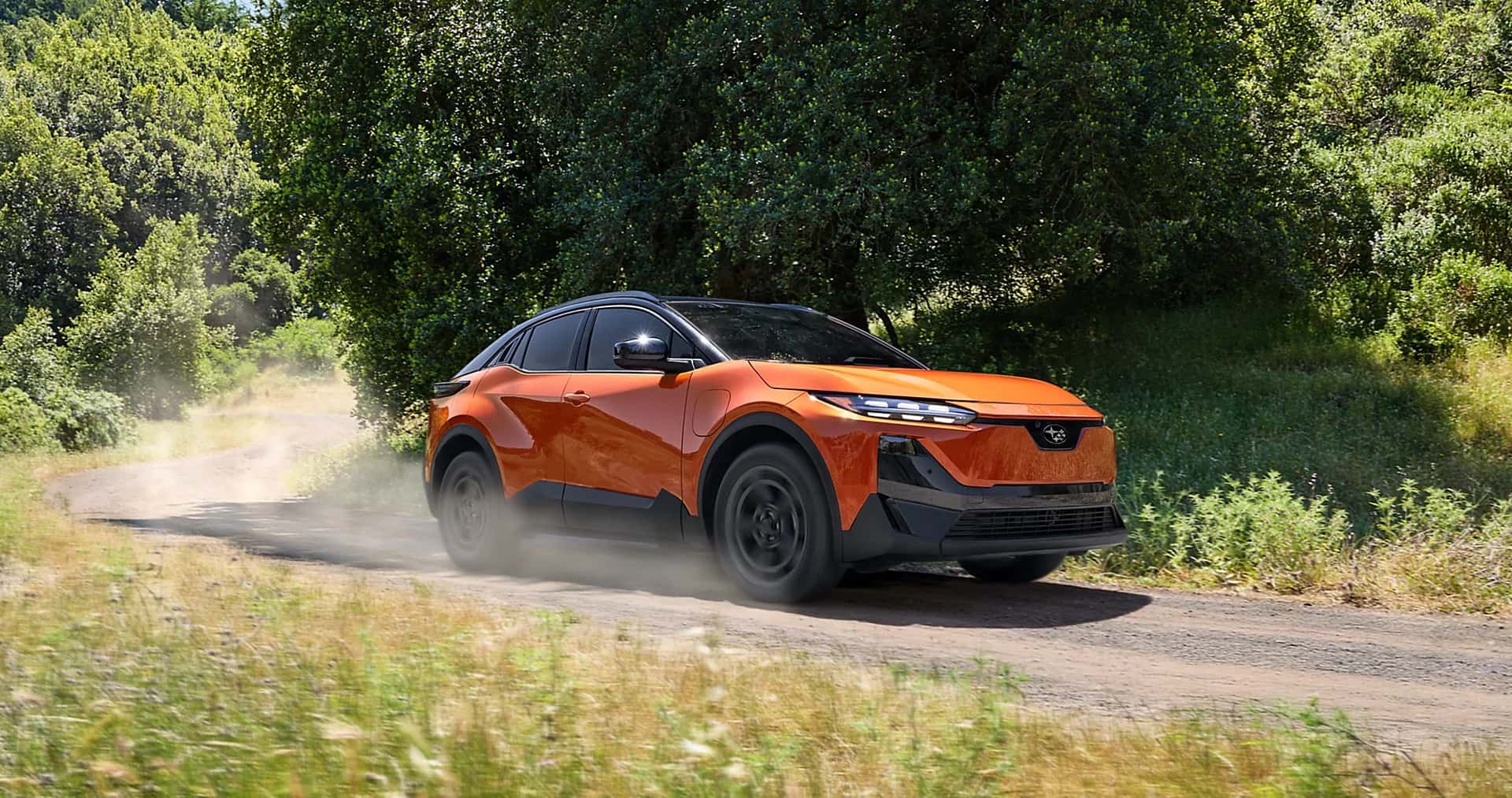
Subaru family safety technology can be found across a wide range of current vehicles, allowing households to choose the size, capability, and comfort that suit their lifestyle. For parents who need flexible seating and room for school bags, sports gear, and weekend cargo, the Subaru Ascent is a three-row SUV worth considering. Its family-focused cabin and available driver assistance features make it a natural fit for larger households.
The Subaru Forester is another strong option for drivers who want a spacious compact SUV with an upright seating position and everyday practicality. A Forester can be a comfortable companion for local errands in Temecula, trips toward Menifee, and family adventures that call for adaptable cargo room.
For drivers who appreciate an SUV-like ride with versatile capability, the Subaru Outback remains a popular choice. Its comfortable cabin, useful cargo area, and available EyeSight features can support the demands of commuting, carpooling, and getting away for the weekend. The Subaru Crosstrek offers a more compact alternative for small families, first-time Subaru owners, or drivers seeking a practical vehicle that is easy to maneuver around town.
EyeSight is not limited to SUVs. The Subaru Impreza provides hatchback versatility for commuters and young families, while the Subaru Legacy sedan offers a refined option for drivers who prefer a traditional four-door design. Availability, included features, and system operation vary by model year and trim, so we recommend reviewing the specific vehicle’s equipment before making a decision.
What Driver Assistance Features Help Monitor Traffic?
How can Subaru EyeSight help drivers monitor traffic? One of its most useful everyday functions is its ability to observe the flow of vehicles ahead. When equipped with Advanced Adaptive Cruise Control, a Subaru can help maintain a driver-selected following distance from traffic in front while cruise control is engaged. In changing highway traffic, this can reduce some of the constant speed adjustments a driver must make, though full attention remains essential.
Pre-Collision Braking is another important part of the conversation. If EyeSight recognizes a potential frontal collision, it can warn the driver. If the driver does not respond adequately and system conditions are met, the system may apply braking to help avoid or reduce the severity of a collision. It is assistance, not a guarantee, and no safety technology can overcome every circumstance.
Some Subaru models may also offer additional driver assistance features beyond EyeSight, including Blind-Spot Detection, Rear Cross-Traffic Alert, Reverse Automatic Braking, and Automatic Emergency Steering. These available systems can add further awareness when changing lanes, backing out of a parking space, or responding to a developing situation. Features vary by vehicle and trim, so comparing models carefully matters.
If you are researching cars for sale in Temecula with modern driver assistance features, visit Hello Subaru of Temecula to browse our current selection, compare Subaru safety technology across available models, and schedule a test drive with a team member who can explain how the systems operate.
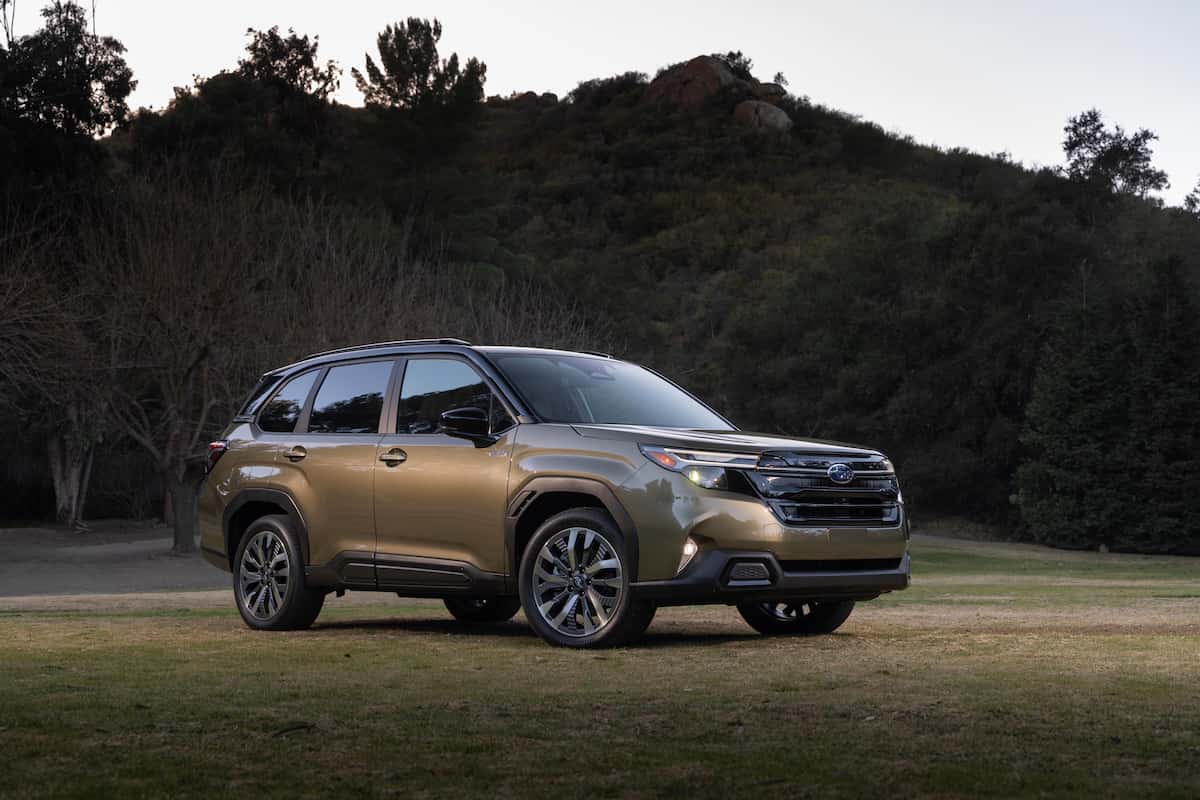
Finally, the best way to understand the technology is to experience it in the vehicle you are considering. At Hello Subaru of Temecula, part of Hello Auto Group, our team is ready to help you explore current Subaru models in stock, review available EyeSight features by trim, and schedule a test drive in Temecula. Visit us to find a family-ready Subaru that helps you feel more prepared for the road ahead.
*Penned by AI, polished by humans
0 comment(s) so far on Subaru EyeSight® Driver Assist Technology Explained